


Paceline Riding: Taking Turns at the Front
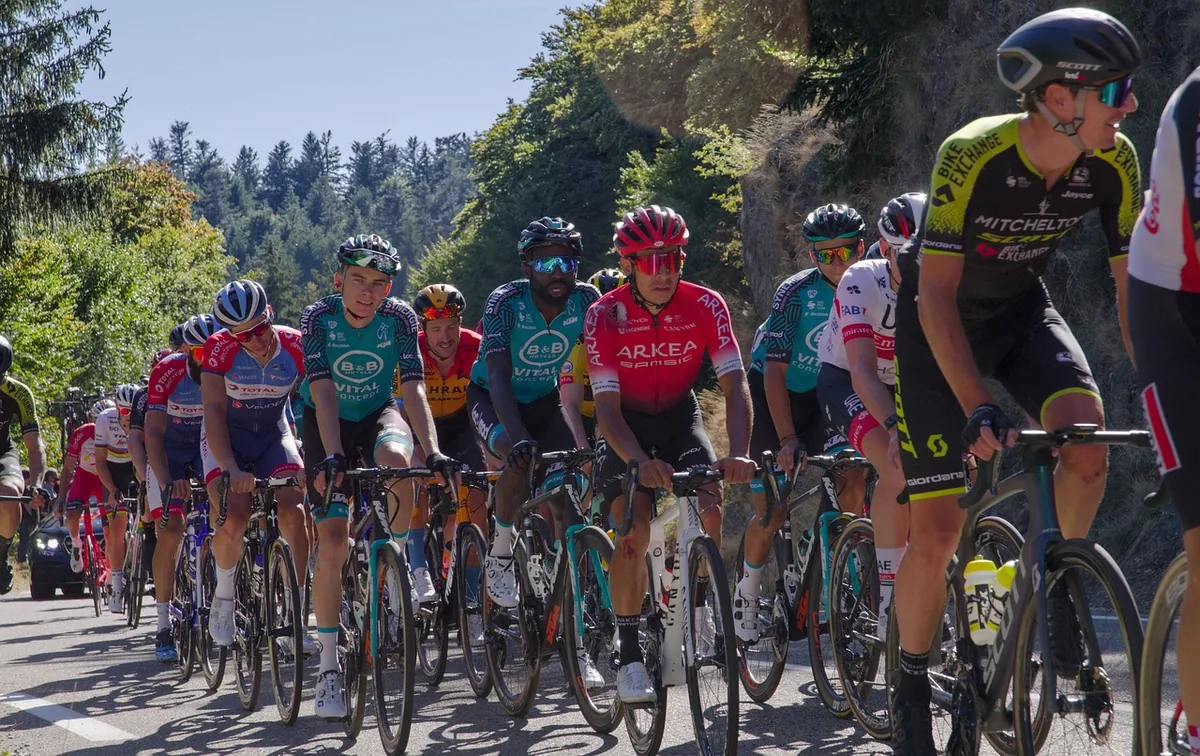
A paceline is one of the most efficient ways to ride in a group. When riders share the work of pushing into the wind, the whole line goes faster for less effort than any one of them could manage alone. Whether you ride with a club that meets every weekend or join a training group for the first time, understanding how to take your turn at the front is the single most important skill for riding in a line. This article explains how a paceline works, how to rotate safely, and the etiquette that keeps everyone comfortable.
How a Paceline Works
A paceline is a single-file or double-file line of riders following each other closely, each sitting in the slipstream of the rider ahead. The rider at the front does the most work because they are the only one fully exposed to the wind. Once that rider has done their share, they move aside and drop to the back, and the next rider comes through to take over. The cycle repeats for as long as the group is riding.
The benefit is real. Riding directly behind another cyclist can reduce the aerodynamic drag you feel by a large margin, which is why groups can hold higher speeds with less total effort. The rider sitting in the wheel recovers while still maintaining pace. This is the whole logic of rotation: no one stays in the wind for long, so everyone can keep the line moving.
Taking Your Turn at the Front
When it is your turn, move out smoothly and take the front position without surging or accelerating sharply. A common approach is to ride up the side of the line, check that the way ahead is clear, and then settle into the pace the group is already holding. Changing speed abruptly at the front forces everyone behind you to brake or sprint to recover, and that wastes energy across the whole group.
Hold a steady, sustainable effort during your pull. Most groups agree on a rough length for each turn, and it is better to keep your pace consistent than to ride hard for a short time and fade. If you are feeling strong, resist the urge to pull the group along at a pace it cannot handle. The aim is to keep the line together, not to test everyone's limits.
When your turn is over, ease off gently. Glance over your shoulder before you move, signal your intention, and drift to the side without braking hard. Once you are clear of the front, let the rider behind you move through. Then drop back into the line at the end, where you can recover while the next rider works.
Rotation Technique and Pace Management
Good rotation depends on smooth, predictable movements. Keep your bike in a straight line as you move out and in, and avoid sudden lateral shifts. Many riders find it helpful to keep their hands on the drops or the hoods rather than the tops of the bars, so they can brake and steer with control. Look ahead rather than down at your wheel, since your awareness of the group depends on seeing the road and the riders around you.
Pace management is equally important. Different riders have different strengths, and a paceline works best when the front pull matches the group's capability. Stronger riders should consider holding back a little, while those who are less confident can take shorter turns. If a rider consistently falls off the back, the group can slow slightly rather than leaving them behind. Communication about pace makes this much easier.
Group Etiquette and Safety
Clear communication is the foundation of safe group riding. Call out hazards such as potholes, gravel, debris, parked cars, or pedestrians, and pass the warning back down the line. Use simple, consistent words, and keep your voice clear rather than shouting in panic. Pointing toward the hazard helps riders behind you who may not hear clearly over the wind.
Stay steady and predictable. Avoid overlapping wheels with the rider in front, since even a small contact can bring down several riders. Leave a small gap, and do not move your wheel past the rider ahead when you are riding alongside someone. When you need to brake, do it gradually and early so the riders behind have time to react. Hard braking is one of the most common causes of crashes in a group.
Finally, respect the group's agreed rules. Some clubs ask riders to keep to a particular formation on public roads, and most expect riders to follow traffic laws and to signal turns and stops clearly. Being a dependable member of the line means doing your share at the front, staying calm when things go wrong, and looking out for the people around you. A well-run paceline feels effortless, but that smoothness is built from exactly these habits.
Building the Skill Over Time
Paceline riding improves with practice. Start in a small group on quiet roads where you can focus on smooth transitions without worrying about heavy traffic. Practise short pulls first and gradually extend them as your confidence grows. Ride with experienced riders who can show you how they rotate, and ask for feedback afterwards.
- Keep your pace steady rather than surging at the front.
- Check over your shoulder before moving out or drifting back.
- Call out hazards clearly and early.
- Leave enough space to avoid wheel contact with the rider ahead.
- Brake gently and signal your intentions to those behind you.
Over time, taking your turn at the front becomes second nature. You will learn to read the group, adjust your pace to the riders around you, and rotate without thinking. That fluency is what turns a collection of riders into a true paceline.
 Club League (final)